Working as an Overseas Chiropractor in the Netherlands : Registration, Visas and Jobs
If you’re a qualified overseas chiropractor eyeing a chiropractic career, the Netherlands can look like a perfect next step: international cities, short travel times, strong private healthcare, and patients who value chiropractic care. But it’s not a “book a flight and start adjusting” move.

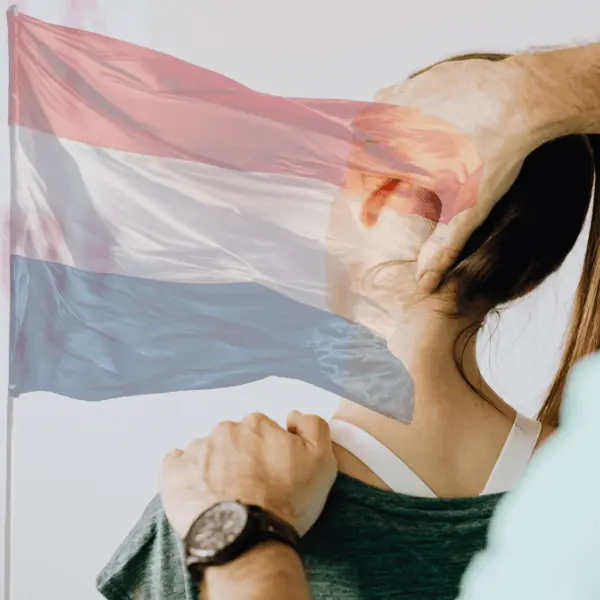
Photo by Binyamin Mellish
You’ll need to answer a few practical questions early. Can you legally practice? How long will registration take in real life? Which visa route fits your passport? And where are the actual openings for chiropractic jobs in the Netherlands right now?
This guide walks through the real-world steps clinics expect you to handle, plus how to avoid the common traps that delay your start date.
Can you legally practice chiropractic in the Netherlands? Here is how registration really works
Chiropractic isn’t part of the Dutch BIG register (the protected-title system for specific regulated healthcare professions). That surprises a lot of clinicians, because “healthcare” in the Netherlands often sounds like it must equal BIG. For chiropractors, it usually doesn’t.
So what do Dutch clinics and insurers look for instead? In practice, many employers want proof of your professional registration with a quality register such as SCN (Stichting Chiropractie Nederland) and or a professional association route (often referenced as DCF in clinics and expat circles). These registers aren’t the same thing as BIG, but they matter because they’re used as a quality signal for:
- clinic hiring and supervision standards
- professional conduct expectations and complaints handling
- insurer reimbursement requirements (varies by insurer and policy)
If you want the official Dutch government framing on regulated professions and recognition, start with registering as a healthcare professional. It helps you separate “legally allowed to work” from “what the market expects before hiring you.”
The practical takeaway: you can’t treat this like an informal relocation. Dutch clinics want proof you meet an accepted education standard, professional standing, and local communication safety (language and documentation), especially for addressing vertebral subluxations that impact the spine and nervous system. That’s what the professional registers are trying to protect.
SCN registration: the most common pathway for overseas chiropractors
For many overseas chiropractors, SCN is the first serious checkpoint because it’s a clear, structured route and widely recognized by clinics. SCN openly states that anyone interested in working in the Netherlands should contact them, and that applicants must meet education and Dutch language expectations (details can change, so always verify on the source): SCN information for working in the Netherlands.
In plain language, your SCN path usually looks like this:
First, confirm your chiropractic degree is from an accredited institution that aligns with international chiropractic education standards (often tied to a CCEI degree or equivalent). If your education is straightforward (US, Canada, Australia, UK, parts of Europe), this is typically the least painful part. If your education path is less standard, plan for extra questions and document requests.
Next comes the “paperwork reality.” Expect to assemble a file that proves you’re safe and current, not just qualified on graduation day, including documentation on how your care protects the nervous system. Common requests include identity documents, your diploma and transcripts, a CV, evidence of clinical practice history, and professional references. Many applicants are also asked for a “letter of good standing” from a regulator or association where they last practiced.
After submission, outcomes can differ. Some chiropractors are approved at full level, others may be offered a candidate or conditional status that includes supervision or extra steps before independent practice. That’s not a red flag by itself. It often reflects language level, time away from practice, limited practice history, or gaps in documentation.
Plan for ongoing obligations too. Registers commonly expect periodic renewal and proof of continuing education, training and development, and practice activity. Treat this like keeping your passport valid. It’s boring, but it’s what keeps you employable and reimbursable.
Language expectations: what A2, B1, and B2 Dutch usually mean for your first year
Language is where good clinicians can get stuck. You can be excellent with your hands and your diagnosis, but if you can’t run a safe consent conversation, your options narrow fast. To boost your chances, learn Dutch early as a proactive step.
Dutch levels are usually discussed using CEFR. Here’s how that tends to feel in a clinic setting during your first year:
| Level | What it often allows in clinic | Where you’ll still struggle |
|---|---|---|
| A2 | basic greetings, simple history prompts, short explanations | nuanced pain descriptions, red-flag conversations, written notes |
| B1 | functional consults with simpler patients, basic phone calls, routine instructions | fast speech, complex comorbidities, strong emotions |
| B2 | confident consent and risk discussion, clearer care plans, smoother GP communication | idioms, speed, and regional accents (still a thing) |
Some chiropractors can start an application while still at A2, especially if the clinic is English-friendly and can support supervision in an English and Dutch environment. But the day-to-day friction is real, and high-level communication is vital for clinical success and patient satisfaction. Think about the tasks that quietly protect you medico-legally:
Intake forms and informed consent are the obvious ones. Less obvious is the phone call to a GP office, a polite but firm referral request, or explaining why you’re not adjusting today because something doesn’t fit. Those moments are hard even in your native language.
If you want a practical feel for formal Dutch testing and what “B2 proof” can look like, see the Staatsexamen NT2 tips. Even if you don’t need that exact exam, it’s a useful reference point for the level of reading and listening expected.
Visas, work permits, and employer setup for non-EU chiropractors
If you hold an EU or EEA passport, your move is mostly about registration, employment, and municipal admin after arrival. If you’re non-EU, immigration becomes a parallel project with its own timeline.
The key mindset shift: your clinic is not just hiring you, it may need to sponsor you. That changes which clinics can realistically offer you a role and how early you must discuss visa support.
A clear, clinic-specific overview of typical routes used for chiropractors is explained in Chiropractors in the Netherlands. It’s written for expats and employers, which is exactly the lens you need during interviews. This often covers categories like highly skilled migrants for non-EU chiropractors.
Here’s a short checklist you can screenshot before you start applying seriously:
- Your passport status: EU or non-EU, and any existing EU residency rights
- Your target start date: work backwards from your visa application, add buffer weeks for documents
- Your registration plan: SCN and or other register pathway started (proof helps)
- Relocation support: ask if they offer it and what it covers as a potential benefit to negotiate
- Clinic visa ability: ask early if they can sponsor and which route they use
- Document readiness: diplomas, good standing letters, references, updated CV
What your future clinic must handle with the IND (and what you must bring)
For many non-EU hires, the bottleneck is not skill. It’s whether the employer has the right setup to sponsor, and whether your paperwork is ready on day one of the immigration process.
In general, the IND side often involves employer-led steps, and many routes require the employer to be recognized or registered to sponsor. This is why “We love you, we’ll figure it out” can be a risky promise if it’s not backed by experience.
Your side is preparation. Have clean scans of your passport, degree documents, and employment history. Be ready for legalization or apostille requirements depending on where your documents were issued. Plan for time to obtain fresh letters of good standing, because many organizations won’t issue them instantly.
If you need a broader primer on work authorization terminology (work permit vs residence permit, and why people mix them up), this overview of common work permit questions is a helpful baseline.
One more thing: confirm visa support during the first interview stages, not after you’ve “won” the role. If the clinic can’t sponsor, you need to know before you invest weeks in trials and negotiations.
Employee vs freelance (ZZP): how clinics hire chiropractors and what changes for you
In the Netherlands, chiropractors are often hired either as employees (on payroll) or as freelancers (ZZP), with many international hires starting in a chiropractor associate role. The choice affects your net income, admin load, risk, and work-life balance.
An employee contract can feel simpler at first. Taxes and social contributions are handled through payroll, and the clinic usually controls scheduling and some clinical systems. It may also be easier for immigration routes when sponsorship is involved, because the relationship is clear and documented.
ZZP is different. You invoice, manage taxes, and often arrange your own insurances and pension planning. In exchange, you may get more flexibility in schedule and a higher gross rate. Many clinics offer pay structures like salary, hourly, or a percentage split based on collections. Percentage models can be attractive once your patient base is steady, particularly if the clinic has an existing client base, but they can also be volatile in your first months if the clinic’s marketing and demand aren’t consistent.
Because contract details and tax treatment are local and fact-specific, don’t wing it. Have a Dutch contract reviewed by someone who understands healthcare and small business structures.
Finding chiropractic jobs in the Netherlands and choosing the right city and clinic
The fastest way to waste a year is to pick a clinic based only on the headline pay. Your first Dutch job should give you three things: consistent patient flow, clear registration support, and a realistic language runway.
Start your search with real listings so you can see what clinics ask for and what they offer. A good example is Chiropractic jobs in the Netherlands, which shows the kind of roles being advertised and the mix of English and Dutch in job descriptions.
Also think like a patient for a moment. Cities in proximity to major cities in Netherlands with international residents and access to international airports can be easier for your first year because English is more common, but your long-term growth still improves with Dutch.
What the job market looks like in 2026: demand, typical pay, and where roles show up
As of January 2026, active listings show roles popping up in and around major population centers, including opportunities for new graduates and those seeking an associate position, with a mix of part-time associate positions and full-time clinic roles. You’ll also see “new studio opening” ads, which can be exciting, but they require a higher tolerance for uncertainty. Supportive clinics often feature mentorship programs to help you integrate.
Pay is hard to standardize because contract type drives the numbers. Employee salaries tend to look lower on paper than percentage splits, but they often come with more predictable income. ZZP or percentage models can scale higher, but only if patient volume is there.
If you want a rough external benchmark to sanity-check numbers, Payscale’s Netherlands chiropractor salary data can provide context on competitive annual salary, with the caveat that small sample sizes and older datasets can distort reality. Use it as a reference, not as a negotiation weapon.
Demand tends to show up in:
- busy city clinics with strong marketing and high patient turnover
- multi-disciplinary practices where referrals are internal
- associate roles that start part-time and grow with language and retention
The market has space for vitalistic chiropractors alongside other approaches. This is also where you’ll see repeated searches for chiropractic jobs in the netherlands, because the market is active but still niche. That mix rewards chiropractors who show they can integrate fast.
How to apply from overseas and stand out in interviews
Dutch clinics tend to hire like small businesses. They don’t want a 12-page CV. They want clarity, proof, and a low-risk start.
Keep your CV tight and clinical. List techniques like diversified techniques and chiropractic adjustment and strengths, but anchor them in patient outcomes and case types you see often. If you treat lots of runners, desk workers, or pregnant patients, say so. If you have pediatric experience, be precise about what that means in your scope.
A short motivation letter still helps when it answers the clinic’s silent worries, including skills like health talks that help you stand out:
- you understand the registration process and you’ve started it
- you have a language plan with dates and milestones
- you can adapt to how Dutch clinics document and communicate
In interviews, ask smart operational questions. Not to interrogate, but to see how you’ll actually work there:
- Supervision support: Who supervises, how often, and how is feedback handled?
- Onboarding: Do you shadow, co-treat, or start solo immediately?
- Patient flow: How do new patients arrive, and what’s the expected weekly volume?
- CPD support: Is time or budget available for continuing education?
- Training and development: What opportunities exist for professional growth?
- Imaging policy: Do they refer out, and what’s the decision process?
If you want broader context on how chiropractic is positioned across Europe, including the Netherlands, this chiropractic status in Europe position paper can help you understand the regulatory variability you’re stepping into.
A quick offer checklist so you do not get stuck after you land
Before you sign, confirm the details that can ruin your first six months if they’re vague:
- Registration support: fees, admin help, and protected time for requirements
- Supervision plan: named supervisor, schedule, and expectations in writing
- Liability insurance: who provides it, and what coverage is required
- Pay model: salary vs hourly vs percentage, plus any deductions or ramp periods
- Schedule and location: clinic hours, late evenings, Saturdays, and commute reality
- Vacation and sick time: paid leave terms (employee) or unpaid planning (ZZP)
- Notice period: how you exit if it’s not a fit
- Relocation help: temporary housing, flights, or setup support if offered
- Dutch lessons: whether the clinic contributes time or cost
A great offer isn’t just money. It’s an offer that makes you productive quickly.
Conclusion
Working in the Netherlands as an overseas chiropractor offering chiropractic care is realistic when you treat it like a clinical case: gather data, choose a plan, and act in the right order. The country is welcoming, but the process rewards people who are organized and consistent.
Here’s a simple 5-step action plan to move forward with confidence: verify your diploma recognition pathway, start SCN contact (and clarify any parallel register expectations), begin Dutch study now, shortlist clinics and cities based on patient flow and language fit, then confirm the visa route early in interviews. Start applications with your documents ready, and keep everything in one organized folder so you can respond fast when a clinic says yes.
```