Can You Become a Chiropractor Without a Degree?
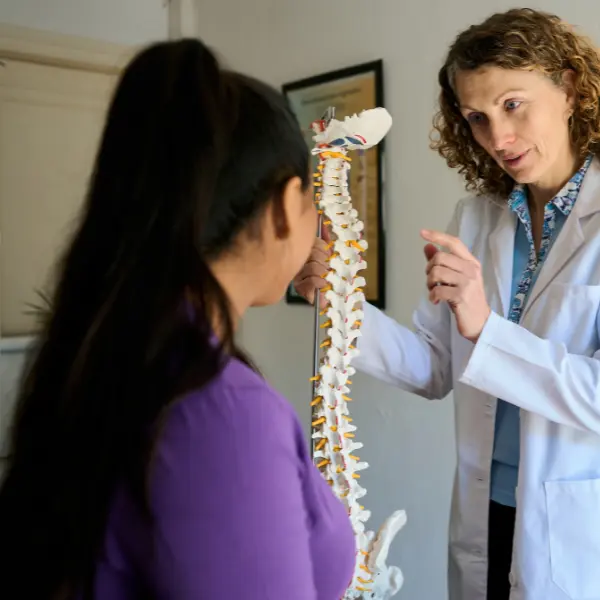
No. In both the US and the UK, you cannot legally practise as a chiropractor without completing an accredited chiropractic degree and obtaining the required professional licence or registration. While some US chiropractic schools accept students without a completed bachelor's degree if they have sufficient undergraduate credits, earning a Doctor of Chiropractic (DC) degree remains mandatory before you can practise
Many people wonder if they can become a chiropractor without a degree, but in most regions, it is not possible to practice professionally without the required education and training. This often surprises individuals because chiropractic care is frequently confused with massage therapy, general manual therapy, or short-term bodywork certification programs.
The distinction between these fields is significant. Chiropractors are responsible for examining patients, identifying the underlying causes of pain, creating comprehensive treatment plans, and performing hands-on spinal adjustments. Because these procedures directly impact the spine, joints, and nervous system, the profession is strictly regulated in the US and the UK, making the path to licensure much more rigorous than many prospective students expect.
First, it helps to look at what the job actually involves.
Key Takeaways
- Degree is Mandatory: You cannot legally practice as a chiropractor in the US or UK without completing an accredited chiropractic degree program and obtaining an official license.
- Distinction from Other Roles: Chiropractic care is a clinical, regulated healthcare profession; it is fundamentally different from massage therapy, personal training, or general wellness coaching.
- Understanding the US Entry Route: While some US institutions may admit students with approximately 90 undergraduate credits rather than a full four-year degree, the professional Doctor of Chiropractic (DC) program remains a non-negotiable requirement.
- Safety and Regulation: Strict educational and licensing standards exist to ensure patient safety, prevent the mishandling of musculoskeletal issues, and maintain professional accountability.
- Alternative Options: If you are interested in the field but want to avoid a long academic path, roles such as chiropractic assistant, massage therapist, or physical therapy aide offer entry into clinical environments without the need for a doctoral degree.
What the job of a chiropractor really involves
Understanding what a chiropractor does starts with recognising that the role involves much more than cracking backs. The job usually starts with a health history, a physical exam, and questions about pain, movement, old injuries, and daily habits to understand the state of your musculoskeletal system. Then the chiropractor decides whether chiropractic care is suitable, whether imaging or other tests may be needed, and what kind of treatment plan fits the patient.
That plan may include various chiropractic techniques, such as spinal adjustments, joint work, soft tissue treatment, exercise advice, posture support, and follow-up care. Because patients often come in with neck pain, back pain, headaches, or sports injuries, the clinician has to judge what is safe and what is outside their clinical boundaries.
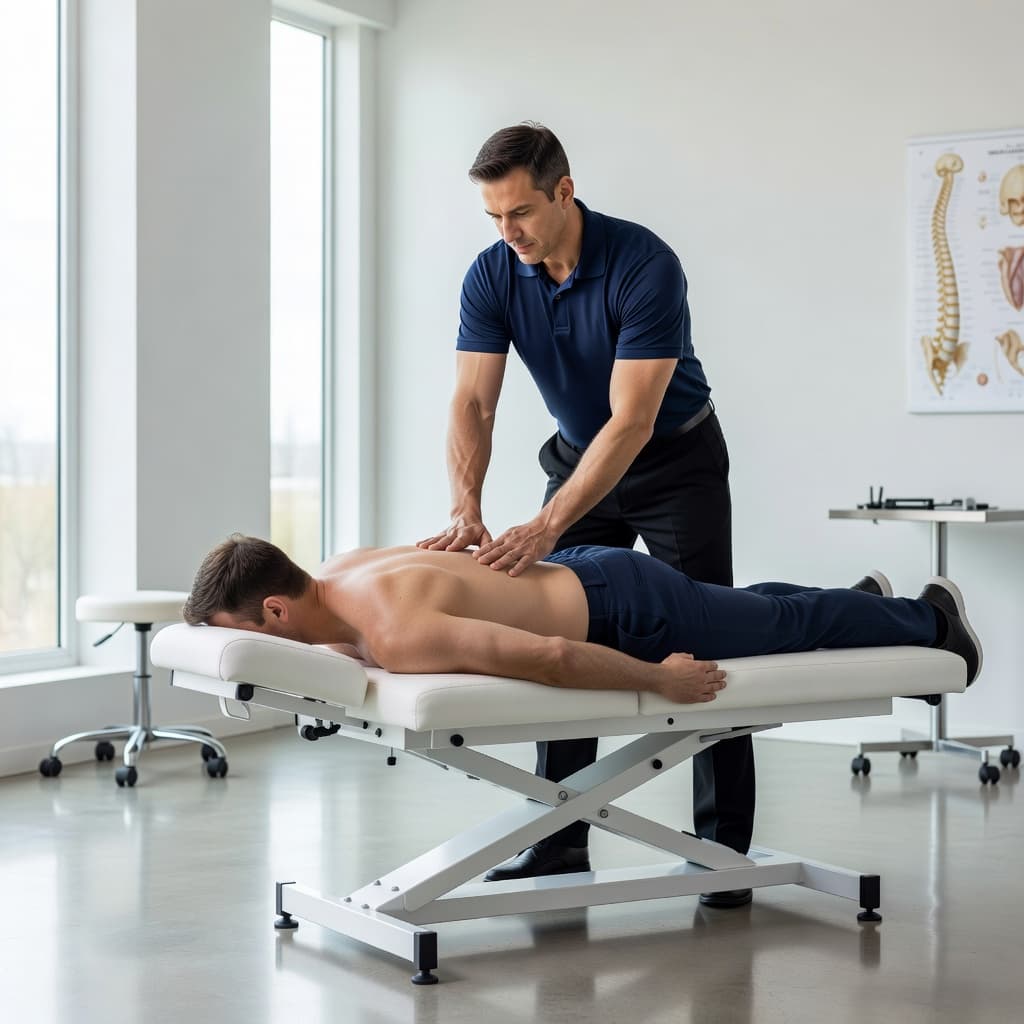 This is why chiropractic is a regulated healthcare role, not a quick trade you can learn in a weekend course. Patients trust chiropractors with pain, mobility, and, in some cases, injury-related care. That trust comes with legal duties and a high standard of training.
Why chiropractors need more than hands-on skills
Good technique matters, but technique alone is not enough. A chiropractor also needs a solid grasp of anatomy and physiology, biomechanics, pathology, and diagnosis. They have to spot red flags, such as signs that point to fracture, infection, nerve damage, or another condition that needs a different provider.
They also need judgment. A safe chiropractor knows when to treat, when to modify care, and when to refer a patient to a physician, physical therapy, or emergency service.
How chiropractic care differs from massage or general wellness work
This is where many career searches go off track. Massage therapists, personal trainers, and wellness coaches can all work with movement and comfort, but they do not train for the same clinical role. Their schooling, legal limits, and licensing rules are different.
A massage therapist focuses on soft tissue. A trainer works with exercise and fitness goals. A wellness coach may help with habits and lifestyle. A chiropractor, by contrast, is licensed to assess musculoskeletal problems and perform adjustments within a strictly defined scope of practice.
Can you become a chiropractor without a degree? The short answer
If you are currently researching how to become a chiropractor without a degree, the short answer is no, you cannot practice in the way the professional title implies. In both the US and the UK, you are required to earn a recognized chiropractic degree and obtain an official license or registration before you can legally treat patients.
There is one specific detail that often causes confusion regarding the path in the US. Some chiropractic institutions may admit students who have not completed a full four-year Bachelor's degree, provided they have finished a sufficient amount of undergraduate studies, typically totaling around 90 college credits. While this can provide a faster route into your professional education, it does not remove the ultimate requirement for the chiropractic degree itself.
In parts of the US, you may start chiropractic school without a full Bachelor's degree if you have completed enough undergraduate studies. However, you still cannot practice as a professional without the chiropractic degree and a state-issued license.
In the UK, the regulatory rules are even stricter. You must hold an approved university-level chiropractic qualification and maintain active registration with the General Chiropractic Council before you can legally work under that title. Once you've qualified, you can explore graduate chiropractic jobs in the UK and learn how new graduates typically begin their careers.
Why a license matters more than shortcuts
Licensing is essential because it protects patients. It establishes a legal minimum for education, clinical training, board exams, and professional conduct. Without this rigorous system, anyone could claim they know how to perform spinal adjustments.
This is why looking for a way to become a chiropractor without a degree is an ineffective search; such shortcuts will never lead to the credentials required to be a licensed chiropractor. While you may find related roles in healthcare or administrative settings, you will not become a licensed chiropractor through these alternative routes.
What happens if someone skips the required training
The risks of attempting to practice without credentials are practical rather than abstract. An unlicensed individual can face severe legal consequences for using a protected title or treating patients without the authority of the law. Furthermore, they will struggle to obtain professional malpractice coverage, which leaves both the practitioner and the patient significantly exposed.
There is also a critical safety concern. High-quality, hands-on spine and joint care requires deep clinical judgment, not just confidence. If someone misses a serious underlying health condition or uses the wrong manual technique, the potential for causing patient harm is substantial.
The education path in the US and UK
If you are trying to work out how long it takes to become a chiropractor, the answer changes by country and by your starting point. This quick comparison shows the main differences in chiropractic education and helps explain how long it takes to become a chiropractor in different regions.
| Country | Usual education route | Typical timeline | Final step |
|---|---|---|---|
| US | College prerequisites, then a Doctor of Chiropractic (DC) degree | Often about 6 to 7 years total | Pass board exams and meet state licensure rules |
| UK | GCC-approved university chiropractic degree, often an integrated master's route | Usually about 4 years, sometimes 5 | Register with the General Chiropractic Council |
The big takeaway is simple: both paths require formal education, supervised training, and legal approval to practice. If you're planning your education, our guide on how long it takes to become a chiropractor explains the full training timeline in different countries.
How long it takes to become a chiropractor in the UK
For readers asking how long does it take to become a chiropractor UK, the usual answer is about four years, though some routes can take five. A chiropractic degree in the UK is normally a university program approved for registration, and many students enter after secondary school if they meet the entry standards. This often includes an integrated master's program as part of the formal curriculum and can lead to opportunities for chiropractic graduate jobs in the UK.
If you are wondering what qualifications do you need to be a chiropractor UK, the short version is a GCC-approved degree, supervised clinical training, and registration with the regulator. The General Chiropractic Council's student guidance outlines the approved study route, and the British Chiropractic Association's training overview explains the need for GCC registration and indemnity cover.
How long it takes to become a chiropractor in the US
In the US, the route is usually longer. Most students complete at least several years of college first, and many finish a bachelor's degree before entering a professional chiropractic college. After that, they complete a Doctor of Chiropractic program, which usually takes about four years.
That means the full path often lands around seven years total. Some schools allow entry with about 90 college credits instead of a full bachelor's, but the doctoral degree is still mandatory. After graduation, candidates must pass board exams administered by the National Board of Chiropractic Examiners and meet specific requirements for state licensure. A general overview of chiropractic education also notes the essential role these exams play in the process of obtaining a license to practice.
What subjects and training are part of chiropractic school
The course load helps explain why a degree is required. Students study anatomy, physiology, biochemistry, diagnosis, radiology, biomechanics, pathology, and ethics. They also learn how to take case histories, read clinical signs, and perform adjustments safely.
Just as important, they spend time in supervised settings to complete their clinical training. That is where students move from theory to patient care under close oversight, ensuring they are prepared for the realities of the workplace.
What about a chiropractor apprenticeship or learning online?
Searches for chiropractor apprenticeship programs and how to become a chiropractor online often stem from the same desire for a faster, more accessible path into the field. While there are quicker routes into related healthcare roles, there is no shortcut to becoming a licensed chiropractic practitioner.
A clinic job, shadowing opportunities, or a bodywork course can teach you useful skills, but none of these options replace the necessity of an approved degree.
Can an apprenticeship count toward becoming licensed?
A chiropractor apprenticeship, in the informal sense, can help you understand how a professional clinic operates. You might observe scheduling, patient flow, rehab exercises, intake forms, and office systems firsthand. This hands-on training is certainly valuable if you decide to apply to a formal degree program later.
However, an apprenticeship cannot qualify you for licensure on its own. Formal supervised patient care must take place within approved educational programs. While watching a skilled professional work is educational, it is not the same as earning the legal right to diagnose and treat patients independently.
Do online chiropractic programs make sense?
A simple online course will not make you a licensed chiropractor. If you are searching for how to become a chiropractor online, be careful with advertisements that blur the line between professional training and continuing education designed for already licensed practitioners.
Accreditation is a critical factor when choosing a school. You should ensure any program you consider is recognized by the Council on Chiropractic Education. While some lecture-based coursework may be offered online, chiropractic training still requires intensive in-person labs, hands-on technique practice, and clinical internships. You simply cannot learn safe adjusting techniques or perform clinical evaluations solely through a computer screen.
Safer career paths if you don't have a chiropractic degree yet
If you like the field but do not want to jump into years of schooling right away, there are other ways to get relevant experience. These roles can help you test your interest in musculoskeletal care, patient contact, and clinical life within the broader world of health sciences.
They also let you earn sooner while you decide whether full training to become a chiropractic physician is worth the time and cost.
Related jobs that can build useful experience
Several jobs can move you closer to the world of health sciences and bodywork without claiming the status of a doctor:
- Chiropractic assistant in a private practice
- Massage therapist, if state licensing fits your plans
- Physical therapy aide or rehab aide
- Personal trainer or corrective exercise coach
- Wellness coach or patient support role
Each path has its own rules, pay range, and training length. Some are good stepping stones, though none are the same as becoming a chiropractic physician. It is worth noting that while a medical doctor may focus on pharmaceutical or surgical interventions, chiropractic care remains a popular non-invasive treatment option for patients seeking alternative relief.
When it may be smart to start with a different health career
A shorter training route may make more sense if you want to start working sooner, keep tuition lower, or avoid the long academic path required for doctoral programs. That does not mean giving up on the profession forever. It may simply mean taking a smarter first step.
For some people, clinic exposure answers the big question of whether chiropractic is a good career quickly. They learn they love patient care, or they find they prefer fitness, massage, rehab support, or another hands-on role with less schooling. Taking these roles allows you to see how chiropractic clinics collaborate with a medical doctor to provide comprehensive patient care.
Frequently Asked Questions
Is it possible to learn chiropractic techniques through an apprenticeship or online course?
No, neither apprenticeships nor online courses can qualify you for licensure. While you may gain valuable observation experience through shadowing, you cannot legally diagnose or perform spinal adjustments without completing a formal, accredited in-person degree program and passing the required board examinations.
Can I work in a chiropractic clinic without a degree?
Yes, you can work in a clinic as a chiropractic assistant or administrative staff member. These roles allow you to gain exposure to the daily operations of a practice and patient care environments without requiring the specific clinical credentials needed to practice as a chiropractor.
Why are the requirements to become a chiropractor so strict?
Chiropractors are responsible for examining the nervous system, spine, and joints, which involves the risk of causing significant patient harm if done incorrectly. The strict educational and licensing requirements ensure that practitioners possess the clinical judgment to diagnose underlying conditions, perform safe adjustments, and know when to refer patients to other medical providers.
What is the fastest path to becoming a licensed chiropractor?
There are no "fast-track" shortcuts that bypass the mandatory doctoral-level education. In the US, the quickest route involves meeting the minimum 90 undergraduate credits required for admission, followed by a four-year Doctor of Chiropractic degree, while the UK route typically takes about four years through an integrated master's program.
Conclusion
The main point is plain: in the US and the UK, you cannot practice as a licensed chiropractor without the appropriate credentials and professional license. The common source of confusion is the US entry route, where some students may start chiropractic school without a prior bachelor degree, but they still must successfully complete the full Doctor of Chiropractic (DC) degree program to qualify.
If this career path interests you, verify the specific licensing rules in the region where you intend to work. Taking the time to research these requirements can save you significant effort, money, and help you avoid common false starts on your journey to becoming a qualified professional. After meeting your licensing requirements, you can find chiropractic jobs worldwide and explore opportunities across the UK, USA, Europe, Australia, and other international markets.